
Guinea pigs commonly live around five to seven years, although veterinary sources give wider ranges of roughly four to eight years. A 2025 UK veterinary-record study estimated an average near four years in its sample. No age is guaranteed: steady feeding, safe housing, companionship and early veterinary treatment help protect health and welfare.
For a guinea pig, reaching a particular birthday is not the only goal. Understanding lifespan ranges helps you plan responsible care; understanding daily health needs helps protect the years they actually have.
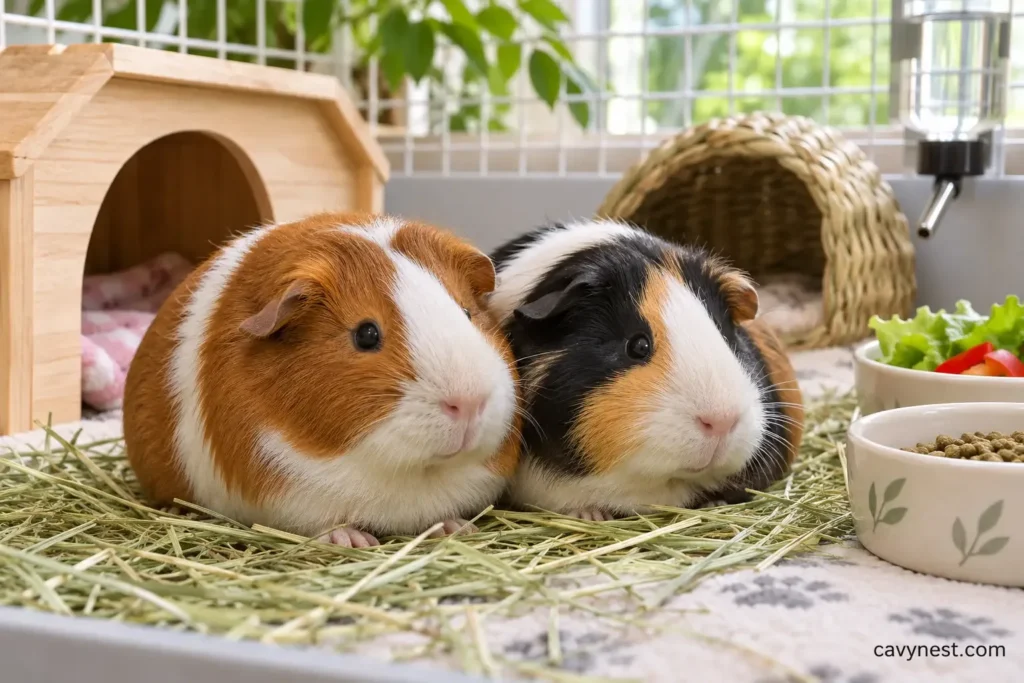
Quick answer
Guinea pigs commonly live around five to seven years, although veterinary sources give wider ranges of roughly four to eight years. A 2025 UK veterinary-record study estimated an average near four years in its sample. No age is guaranteed: steady feeding, safe housing, companionship and early veterinary treatment help protect health and welfare.
Practical priorities
- For everyday prevention: unlimited suitable grass hay, fresh water, vegetables and species-specific pellets.
- For welfare: a compatible guinea pig companion, generous floor space and hiding places.
- For early detection: observe eating and droppings every day and record weight regularly.
- For illness: contact a guinea pig-experienced veterinarian promptly, especially if appetite or breathing changes.
What does “average lifespan” really mean?
Care guides often quote five to seven years, while the RSPCA says five to six and UC Davis describes four to eight with an average of five. These numbers are useful planning ranges, not countdown clocks. An individual can die younger from disease or live considerably longer with favorable circumstances. Age alone cannot tell you whether a guinea pig is comfortable, healthy or receiving appropriate care.
In a 2025 peer-reviewed analysis of 675 guinea pigs appearing in UK veterinary records, the estimated mean and median lifespan were both about 4.0 years. That finding is not proof that every pet should be expected to die at four: a veterinary-record sample can differ from the entire pet population. The authors identified selection bias and missing housing and husbandry information among the limitations. Discuss figures with that context rather than cherry-picking the highest number.
RSPCA lifespan guidance · UC Davis.
Planning for years rather than a single birthday
Buying or adopting guinea pigs means accepting years of daily care, cleaning, feeding, social interaction and veterinary expenses. Even a five-year horizon crosses holidays, moving house and changes in working hours. Arrange reliable care when traveling; a quick food refill cannot replace watching appetite and droppings. Budget for routine and emergency veterinary visits before committing.
A responsible long-term plan also considers the guinea pig left behind when its companion dies. Guinea pigs are social and the remaining animal may need carefully arranged companionship. Choose adoption and introductions with experienced rescue guidance where possible, and plan how you will meet social needs without impulsive breeding or unsafe introductions.
Lifespan figures: what they mean
| Source | Reported figure | How to interpret it |
|---|---|---|
| RSPCA | Typically 5–6 years | General welfare fact sheet |
| UC Davis veterinary school | 4–8 years; about 5 average | University care guide |
| 2025 PeerJ UK study | Mean 4.022 years | Study of 675 veterinary records; not a population-wide guarantee |
How to interpret a guinea pig’s age
Young guinea pigs grow rapidly and require age-appropriate nutrition. Adults usually have more stable routines, while older animals may need more frequent assessments of mobility, teeth, body condition and comfort. There is no universally accepted birthday at which every guinea pig becomes a senior. A seven-year-old that eats, moves and rests comfortably can have a better quality of life than a much younger sick animal.
Aging can be gradual, but a sudden change should not be dismissed as getting old. Keep dated notes on weight, food interest, favorite hiding places, movement and interaction. They establish a useful personal baseline that a veterinarian can compare with examinations. Do not use visible gray hair, coat color or size alone to estimate age reliably.
Why lifespan estimates vary
Some published figures are expert care-guide ranges, others are averages calculated from recorded deaths. These are not interchangeable statistics. A range tells you what is commonly encountered, whereas a mean summarizes one observed group. Animal origin, study design, veterinary access, living conditions and how missing records were handled can all change an estimate.
The 2025 UK study did not find statistically significant lifespan differences by sex, neutering status or breed within the analyzed sample, but its limitations prevent a promise that such factors never matter. It also did not directly measure the effect of every feeding or cage practice on survival. Give more weight to established welfare guidance for daily decisions than to simplistic claims that a particular breed or color lives the longest.
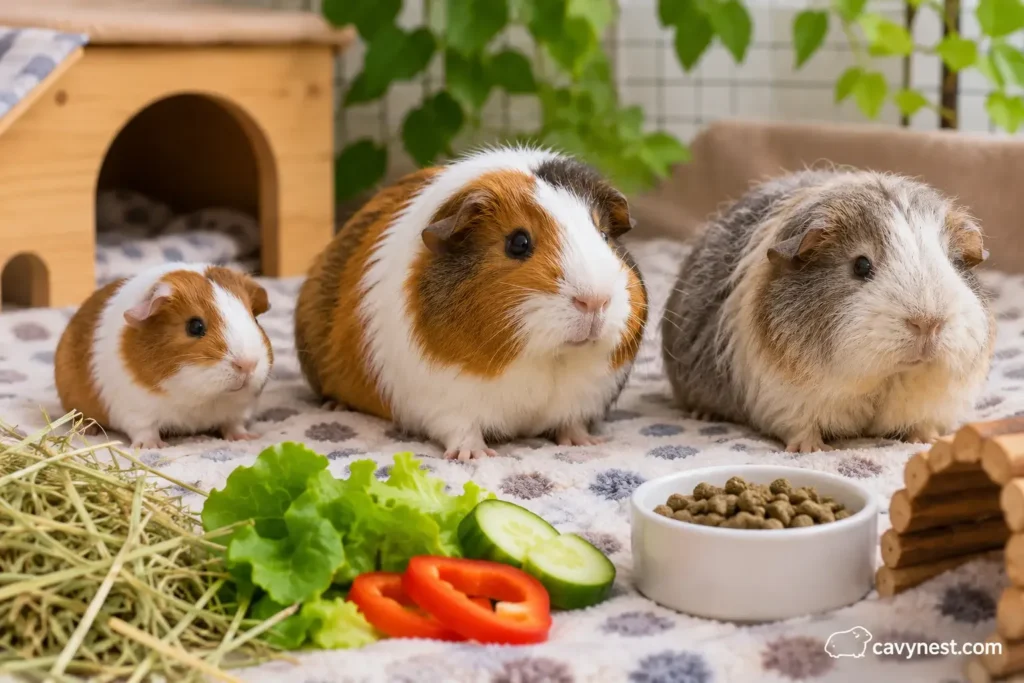
Hay supports digestion and teeth
Make clean, palatable grass hay continuously available. Guinea pigs are grazing herbivores with teeth that keep growing; repeated chewing of fibrous forage supports normal tooth wear and gut function. Select hay appropriate to life stage and clinical needs. Adult animals commonly eat grass hay, while a veterinarian may advise a different nutritional approach for young, pregnant or nursing animals.
Do not replace hay with bowls of pellets, treats or sugary vegetables. Watch whether hay is actually being eaten; a full rack may conceal pain or picky feeding. Refresh soiled hay, offer it in accessible locations and keep feeding areas clean. When chewing seems slow, food drops from the mouth or weight trends downward, obtain a veterinary dental assessment rather than trimming teeth yourself.
Vitamin C is essential, not a miracle cure
Guinea pigs cannot synthesize their own vitamin C and need a regular dietary supply. Use a balanced plan of suitable fresh produce and guinea-pig-specific pellets, checked for freshness and storage instructions. Bell pepper is one practical vitamin-C-containing vegetable. Merck notes that requirements vary by age and physiological state; sick, growing, pregnant and nursing animals may have higher needs.
Avoid treating vitamin C as a substitute for a high-fiber diet or a veterinary visit. Vitamin content in pellets can deteriorate during storage, and improvised supplementation can be inconsistent. Ask a guinea pig veterinarian about an appropriate supplement if intake is uncertain or an animal has special medical needs. Weakness, swollen joints, pain and poor appetite can have multiple causes and should be evaluated, not self-diagnosed as deficiency.
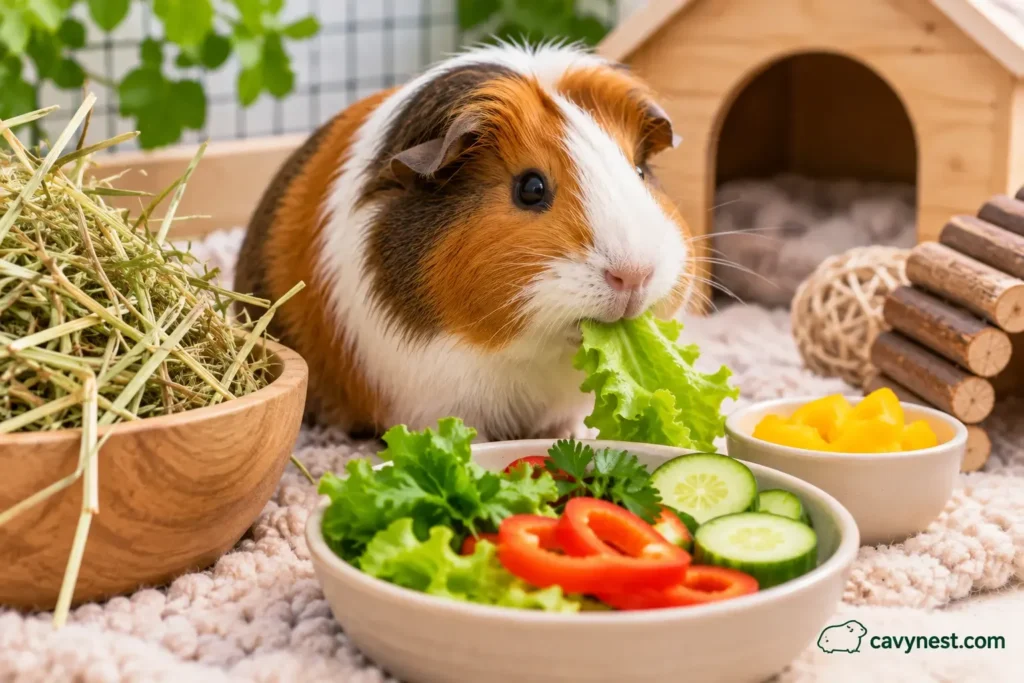
Vegetables, pellets and water in proportion
Build the daily menu around grass hay, then offer varied guinea-pig-safe vegetables and a measured amount of pellets made specifically for guinea pigs. Introduce dietary changes gradually so that unusual stools or reduced eating can be noticed. Wash produce, remove spoiled leftovers and avoid sudden changes made only because a social-media feeding chart looks appealing.
Provide clean fresh water at all times, test drinking-bottle flow and clean the spout. Some animals prefer a stable bowl; the priority is reliable access without contamination. Food quantities vary by age, body condition and medical history, so have a veterinarian check the ration for growing or overweight individuals. Too many caloric treats crowd out useful fiber and can complicate weight management.
Space, floors and fresh air
Guinea pigs need horizontal room to move, forage and retreat, not a tiny decorative cage. Merck recommends solid flooring to reduce foot and limb injury risk and warns against glass aquariums because of poor ventilation. Choose a spacious, easy-to-clean enclosure with comfortable, absorbent bedding and several hideouts. Protect the animals from predators, sharp edges, exposed wires and unsafe access by other pets.
A larger usable footprint matters more than elaborate ramps or vertical towers. Provide easy routes between hay, water, companions and shelters; older or arthritic animals may especially benefit from low thresholds. Keep bedding dry and check feet for redness or sores. If you plan upgrades, prioritize traction, ventilation, hiding opportunities and cleanliness over visual accessories.
Temperature and household hazards
Keep the enclosure away from direct sun, drafts and extreme heat or cold. Guinea pigs are vulnerable to environmental stress, especially if they cannot move to a cooler or quieter place. Avoid placing them beside radiators, loud speakers, smoke or strong fragrances. Outdoor housing needs careful seasonal protection and reliable predator exclusion.
Never assume an animal is safe simply because it is in the shade or because a room feels comfortable to you. Check actual conditions near the enclosure and observe breathing, posture, alertness and food intake. If an animal appears distressed, move it to a safe environment and consult a veterinarian; overheating and respiratory problems can become urgent.
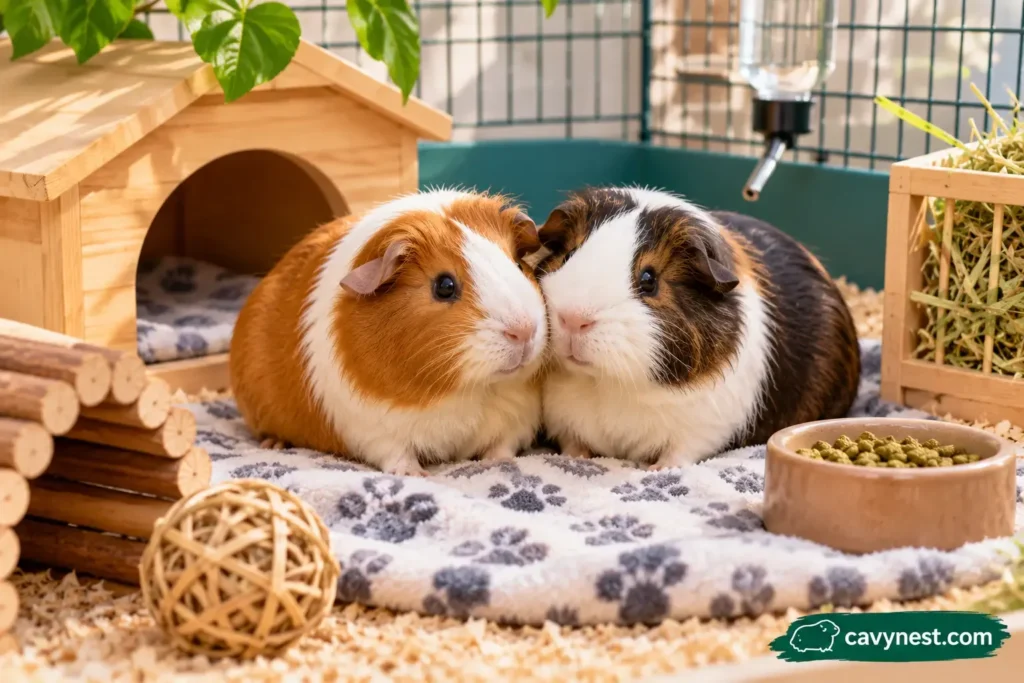
Companionship matters
Guinea pigs normally benefit from living with compatible guinea pigs, not from being kept alone for convenience. Social contact supports natural resting, communication and exploratory behavior. Compatibility depends on personalities, sex, previous relationships, space and thoughtful introductions. A human cannot fully replace a suitable guinea pig companion, and a rabbit is not an appropriate substitute.
Pairing is not a guarantee that every animal will get along immediately. Provide multiple feeding locations and more hiding spots than animals, with exits that prevent trapping. Observe persistent chasing, blocked access to food and injuries; seek rescue or veterinary advice if integration fails. Never place an unneutered male with a female unless breeding is intentionally managed by qualified people.
Daily observation is preventive care
At feeding time, check whether each guinea pig approaches food, chews normally and produces typical droppings. Look for clean eyes and nose, a dry rear end, normal posture, sound movement and a comfortable breathing pattern. Changes in social behavior or hiding can be meaningful even before more obvious symptoms appear. Guinea pigs often conceal illness because they are prey animals.
Make a short routine that you can repeat reliably: refresh hay and water, remove wet bedding, count animals, assess their alertness and glance at food consumption. Separating animals unnecessarily for long periods can stress them; instead observe them closely at meals. Write down what changed and when so a veterinarian gets specific information.
PDSA.
Weekly weighing and body condition
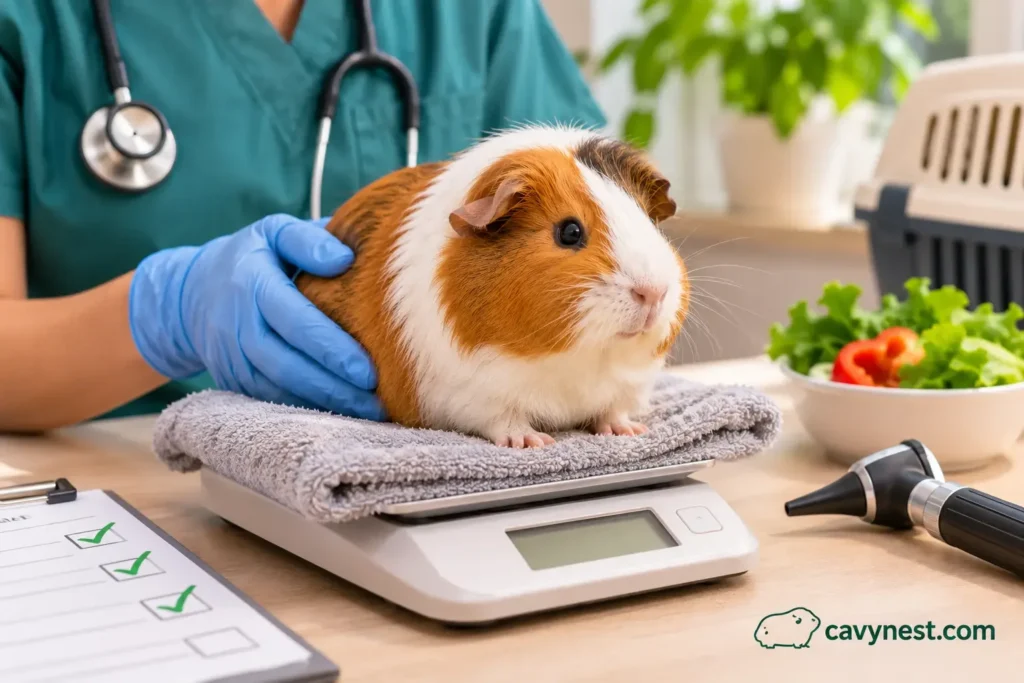
Use a stable digital kitchen scale with a secure container and record weight in grams at similar times each week. A gradual trend may be more informative than one reading after a large meal. Compare each animal to its own history rather than imposing a single ideal weight on all breeds, ages and body types.
Unexpected or continuing weight loss warrants veterinary discussion even when a guinea pig still approaches food. Feel for changes in muscle and body condition gently, but do not squeeze or force an examination. Weight data support a diagnosis; they do not identify the cause. Dental pain, gastrointestinal problems and other disorders can overlap in their outward signs.
When not eating becomes urgent
Reduced appetite, refusal of hay, markedly fewer droppings or an absence of droppings can signal a serious problem. Guinea pigs require ongoing fiber intake for gastrointestinal function; delay may allow deterioration. Contact an experienced veterinarian urgently rather than waiting for the following morning or relying on internet remedies.
Other urgent signs include labored or noisy breathing, collapse, marked pain, severe diarrhea, bleeding or an inability to move normally. Do not administer human medicines or antibiotics without veterinary instruction: some medicines used routinely in other species can be dangerous for guinea pigs. If possible, have an emergency exotics clinic identified before illness occurs.
Find a guinea pig veterinarian.
Dental problems are not just long front teeth
The incisors and cheek teeth grow continuously. A guinea pig can develop problematic back teeth even when the visible incisors look normal. Drooling, selective eating, slower chewing, food falling from the mouth, weight loss and reduced stool output deserve prompt assessment. A veterinarian may need specialized examination techniques to inspect the cheek teeth.
Do not attempt home tooth clipping or assume that a hard chew toy compensates for insufficient hay. Underlying causes can include poor tooth wear, injury and disease. Treatment and recovery feeding must be individualized by a clinician. The safest approach combines appropriate forage, regular monitoring and rapid attention to changes in eating.
Senior care: adapt rather than restrict
Older guinea pigs may need softer, supportive bedding, easier access to hay and water, lower entry points and extra attention to grooming. They still need movement, stimulation and social interaction. Making the habitat accessible usually helps more than keeping an aging animal in a smaller cage. Review nails, feet and mobility routinely.
Discuss changes in eating, drinking, urine, weight or behavior with a veterinarian rather than attributing them automatically to aging. A clinical examination can help distinguish manageable pain or disease from normal age-related variation. Adjust diet and medications only for a specific reason, and keep the animal’s familiar companion involved whenever possible.
Merck: dental and vitamin C conditions.
Quality of life is more than a number
A guinea pig’s welfare should be judged through comfort, willingness to eat, interaction, movement, rest, hygiene and freedom from persistent distress. An older animal that enjoys hay, communicates with its companion and rests comfortably may have meaningful good days. A younger animal with untreated pain does not have good welfare merely because it has more years ahead.
When chronic disease is present, ask the treating veterinarian about realistic treatment goals and how to monitor good and bad days. Keep a simple quality-of-life diary, discuss pain control and hydration, and agree on clear signs that require reassessment. There is no ethical reason to chase a record lifespan at the expense of comfort.
What does the 2025 survival study actually show?
The PeerJ paper analyzed data on 675 guinea pigs recorded by a UK veterinary database and calculated average and median survival close to 4.0 years. It also reported a wide spread of individual lifespans. This is valuable real-world evidence that challenges the assumption that every well-cared-for guinea pig routinely reaches seven or eight years.
However, veterinary-record samples are not a complete census of all pets. The researchers noted incomplete husbandry data, possible selection bias and inconsistencies in breed designation. The study cannot prove that a particular cage, vitamin product or neutering choice will add a fixed number of years. Treat it as one estimate that complements—not erases—care recommendations from veterinary organizations.
Practical weekly and monthly care schedule
Every day, check food and water access, activity, droppings, visible breathing and bedding hygiene. Each week, weigh each animal, look at feet and nails and inspect housing for wear or trapped moisture. Each month, review food storage, cage setup, companionship, exercise opportunities and whether weight patterns have shifted.
Arrange preventive veterinary care with a clinic that actually sees guinea pigs. Ask how frequently examinations should occur for the animal’s age and health status rather than relying on a universal schedule. Keep contact numbers and a safe carrier accessible. Consistency catches small changes early; buying extra supplements without a plan does not replace observation.
Common mistakes that undermine welfare
A small cage, wire floor, inadequate hay, old pellets, isolation and neglecting a subtle weight change are avoidable risks. Another mistake is believing that silence means health: a prey animal may hide symptoms until it is quite ill. Well-meaning owners can also overfeed sweet treats or add unfamiliar foods too quickly.
Prioritize the basics before expensive gadgets: room, quality forage, species-appropriate nutrition, a compatible companion and access to care. Avoid internet claims of guaranteed longevity, breed-based life predictions and home remedies for serious symptoms. A cautious, repeatable routine does more for welfare than an unproven “anti-aging” product.
Final verdict: maximize healthy years, not promises
For planning purposes, expect a multi-year commitment, often described as about five to seven years, while remembering that different sources and studies report different averages. No single practice guarantees longevity. The evidence supports providing good forage, reliable vitamin C, appropriate housing and prompt attention to illness.
If you remember one practical rule, monitor everyday habits. A guinea pig that stops eating or changes its breathing needs attention regardless of age. With safe housing, company and consistent veterinary support, you can give your animals a better chance of living comfortably for as long as their individual health allows.
Making a care record useful over several years
A long-lived pet benefits from records that can be compared rather than isolated observations. Keep a notebook or digital log of weekly weights, appetite, stool output, activity, grooming difficulties and veterinary recommendations. Record changes in housing, companions and food too. A single weight reading rarely tells the whole story; a pattern, together with changes in eating or behaviour, gives your veterinarian more useful context.
Use the same reliable scale and weigh at a similar time whenever practical. Note the weight without treating one number as a target for every guinea pig: body size varies. If a guinea pig begins leaving favourite foods, dropping food while chewing, hiding more, producing fewer droppings or moving differently, do not wait for the next scheduled weigh-in. Contact a guinea pig-experienced veterinarian promptly. The purpose of a care record is to notice meaningful changes early, not to replace a clinical examination or to predict an individual animal’s lifespan.
Frequently asked questions
How many years do pet guinea pigs usually live?
Care references commonly describe about five to seven years, although other veterinary sources cite four to eight years and individual lives vary.
Can a guinea pig live to ten years?
Yes, some guinea pigs can reach roughly ten years, but that is unusual and should not be treated as a typical expectation.
Why did a study report only four years?
A 2025 study of 675 guinea pigs in UK veterinary records estimated an average of about four years; sample selection and missing care data limit how broadly this figure applies.
Do male or female guinea pigs live longer?
There is no reliable rule that one sex always lives longer; a 2025 UK sample found no statistically significant difference by sex.
What should a guinea pig eat to stay healthy?
Offer constant suitable grass hay, fresh water, appropriate vegetables and a modest amount of guinea-pig-specific pellets that help provide vitamin C.
When is a guinea pig considered old?
There is no universal senior age, but around five years or older is a reasonable time to discuss age-related monitoring with a guinea pig veterinarian.
Can a guinea pig live happily alone?
Guinea pigs are social animals and generally should live with a compatible guinea pig companion; seek qualified help for special cases or difficult pairings.
Is weight loss normal in an older guinea pig?
Unexplained weight loss should not be dismissed as normal aging; arrange veterinary advice because dental and other illnesses may be involved.
What if my guinea pig stops eating?
A guinea pig that stops eating or produces much fewer droppings needs urgent veterinary advice, regardless of its age.
Sources and further reading
The following sources support the lifespan, feeding, housing and clinical guidance used here.